You don’t have to explain the storm to someone who’s lived it.
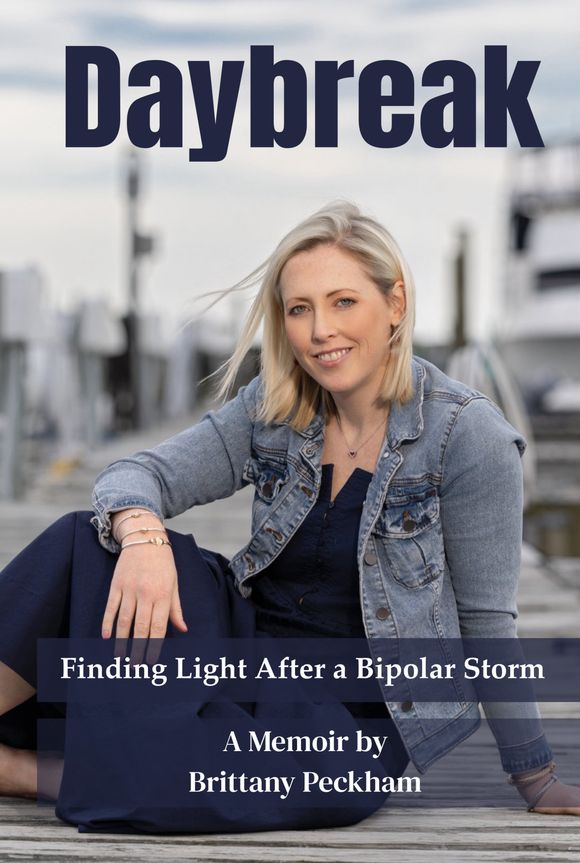
I write about bipolar disorder, psychosis, hospitalization, and the slow, unglamorous work of rebuilding afterward — so you feel a little less alone in it. My memoir, Daybreak, is the long version of the story.
Notes from the other side of the storm
Honest, unpolished writing about what bipolar disorder actually feels like from the inside. This is the heart of the site — the book is the long version.
Will You Be on Medication Forever? Yes, and That's Okay
On being asked if I'll take bipolar medication forever, and why my answer is a steady, happy yes.
Read the post →Why I Now Double-Check Every Medication Dose Myself
A bipolar medication dosing error landed me in the hospital. Here's why I verify every prescription against the manufacturer's data now.
When Grief Turns Into Mania, Not Depression
Grief doesn't always look like collapse. Here's how losing my mother sent me into mania instead of depression — and what I wish I'd known.
When Getting Out of Bed Feels Impossible: Start With One Task
Some mornings just getting up is the hardest part. Here's why one small task can be enough to move the day forward.
Read the first chapter free
Get the Author’s Note, Preface, and opening chapter of Daybreak as a PDF. You’ll also get new posts as I write them, plus the occasional book or article that actually helped me.
2.8%
of U.S. adults live with bipolar disorder, according to NAMI. Behind that number are millions of individual stories that rarely get told in full. This is one of them — told without a filter.
The arc of the book
The Beginning of the Mask I Wore
The first fracture, long before anyone had a name for it.
Hospital Walls
Psychosis, hospitalization, and the long way back to herself.
More Than My Diagnosis
Stability, and a life reclaimed on her own terms.
Finding Light After a Bipolar Storm
In Daybreak, Brittany Peckham delivers an astonishingly honest, often heartbreaking memoir of her lifelong battle with bipolar disorder — from her first emotional outbursts in middle school to full-blown psychosis in adulthood. Told with brutal clarity and unflinching vulnerability, it’s a must-read for anyone living with mental illness — or loving someone who is.
- Bipolar Disorder
- Hospitalization & Recovery
- Rebuilding Identity
- Family & Forgiveness
"For most of my life, I felt like I was screaming into silence."
— from the Author’s Note, Daybreak
Brittany Peckham
Brittany grew up between Massachusetts and Connecticut, where she now lives on the shoreline. Daybreak is her first book — a memoir chronicling her lifelong journey with bipolar disorder, a hospitalization and psychotic break in adulthood, and the long, unglamorous climb back to stability. She wrote it for anyone who has ever felt like they were screaming into silence.


If this resonates, you’re not alone
Daybreak is one person’s story, not a treatment plan. If any of it hits close to home — for you or someone you love — these organizations are staffed by people who do this work every day.
Where to start
A plain-language guide to finding help for bipolar disorder — support groups, crisis lines, and what to do when you don’t know what to do.
Read the guide →For family & friends
What actually helps when someone you love has bipolar disorder — and what to say when you have no idea what to say.
Read the guide →More books like this
An honest, curated list of the best memoirs about bipolar disorder — including the ones that helped Brittany feel less alone.
See the list →